Cooking Time Calculator
Calculate cooking times for meats, vegetables, and baked goods.
Calculation results are estimates based on average values. Actual cooking time will vary depending on oven/stove performance, ingredient starting temperature, shape, and other factors. To ensure safety, especially for meats and poultry, always use a food thermometer to measure the internal temperature at the thickest part to reach the minimum standards recommended for food safety.
Cooking Timer
Set a timer for your cooking
Professional Cooking Guides
Essential knowledge for perfect cooking results
How to Use a Meat Thermometer
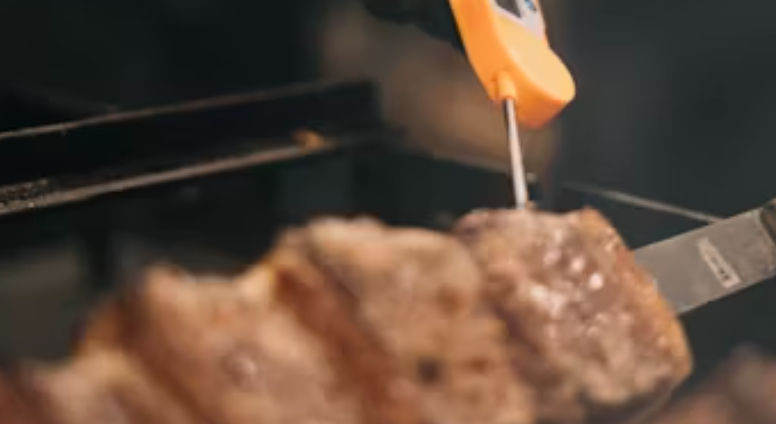
Using a meat thermometer is the only reliable way to ensure your meat is cooked to a safe internal temperature. Here's how to use it correctly:
Step-by-Step Guide:- Insert the thermometer into the thickest part of the meat, avoiding bones and fat
- For thin cuts, insert at an angle to get the deepest reading
- Wait 15-20 seconds for the temperature to stabilize
-
Check against USDA recommended temperatures:
- Poultry: 165°F (74°C)
- Ground meats: 160°F (71°C)
- Beef, pork, lamb steaks: 145°F (63°C) with 3-minute rest
- Fish: 145°F (63°C)
- Clean your thermometer with hot soapy water after each use
Pro Tip: For large roasts, check temperature in multiple locations to ensure even cooking.
Resting Meat: Why It's Crucial
Resting meat after cooking is essential for juicy, tender results. Here's why it matters and how to do it properly:
Why Resting Matters:- Juice Redistribution: Allows juices to redistribute throughout the meat
- Carryover Cooking: Temperature continues to rise 5-10°F during resting
- Tenderness: Muscle fibers relax, resulting in more tender meat
- Better Slicing: Prevents juices from running out when sliced
- Steaks and chops: 5-10 minutes
- Roasts and whole birds: 15-30 minutes
- Large cuts (brisket, pork shoulder): 1-2 hours
How to Rest: Place meat on a warm plate, tent loosely with foil, and keep in a warm place. Avoid wrapping tightly as this can cause steaming.
Holiday Cooking Timeline Planner
Planning is key to stress-free holiday cooking. Use this timeline to ensure everything comes together perfectly:
1 Week Before:- Plan your menu and create shopping list
- Order specialty items (turkey, ham, prime rib)
- Clean oven and refrigerator
- Shop for non-perishables
- Make stocks and freeze
- Prepare pie crusts and freeze
- Thaw frozen items in refrigerator
- Chop vegetables and store in containers
- Prepare casseroles and refrigerate
- Set the table
- Start with longest-cooking items first
- Use our calculator for precise timing
- Allow resting time for meats
- Reheat prepared dishes
Pro Tip: Create a minute-by-minute schedule for the cooking day, including oven temperature changes.
Professional Cooking Tips
Expert advice for perfect results
Always let your meat rest for 5-10 minutes after cooking. This allows juices to redistribute, resulting in juicier meat. For large roasts, rest for 15-30 minutes.
Blanch vegetables before roasting or grilling to preserve color and texture. Cook until crisp-tender for best results. Different vegetables require different cooking times - use our calculator for precision.
Pat fish dry before cooking to ensure a crispy skin. Cook skin-side down first for the best presentation. Fish cooks quickly - use a thermometer to prevent overcooking (145°F internal temperature).
Cook pasta al dente - it should have a slight bite. Reserve a cup of pasta water before draining for sauce consistency. Different pasta shapes have different cooking times - check package instructions.
* USDA recommends cooking beef, pork, lamb to at least 145°F with a 3-minute rest
Cooking Methods Guide
- Baking Dry Heat
- Grilling Direct Heat
- Roasting Dry Heat
- Boiling Moist Heat
- Steaming Moist Heat
- Pan Frying Oil/Fat
- Sous Vide Precise Temp
- Braising Combination
- Smoking Low & Slow